We are woking since 1990 with professionaly
Bamboo vs Hardwood Flooring - Solid Flooring - Hardwood Flooring Contractors
August 19, 2025
Bamboo vs Hardwood Flooring: A Complete Comparison
When it comes to choosing the perfect flooring for your home, bamboo vs hardwood flooring is a common debate. Both materials offer natural beauty, durability, and eco-friendly qualities, but there are significant differences in terms of cost, maintenance, and environmental impact. In this guide, we’ll break down the differences between bamboo vs hardwood flooring, helping you make an informed decision based on your needs and preferences.
Bamboo vs Hardwood Flooring: The Basics
Bamboo Flooring
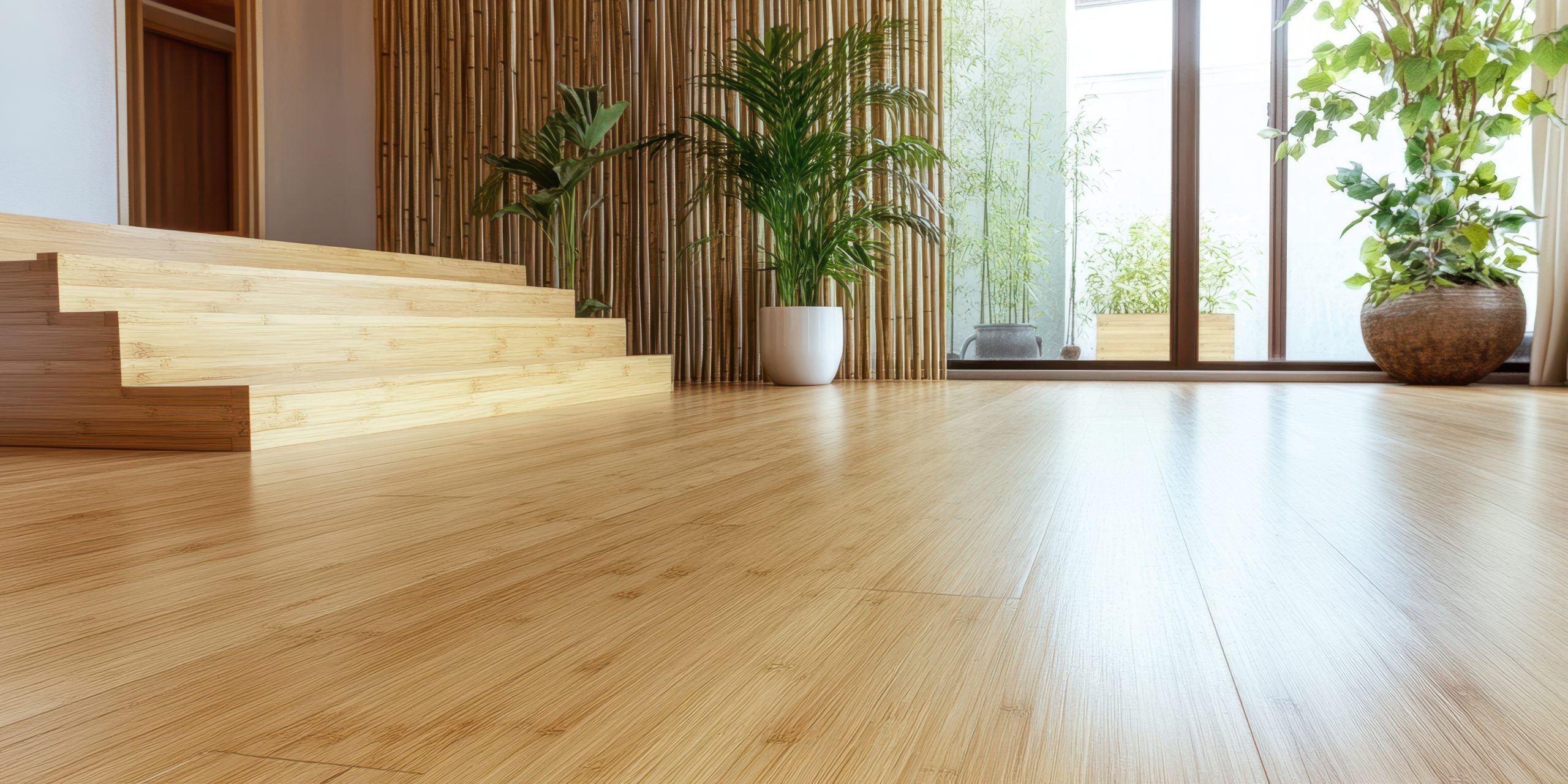
Bamboo flooring is made from bamboo grass that is processed into planks, making it an eco-friendly alternative to traditional hardwood. Bamboo is a fast-growing plant that can be harvested in just a few years, unlike hardwood trees, which take decades to mature.
Hardwood Flooring
Hardwood flooring, on the other hand, is made from solid wood planks that are cut from trees such as oak, maple, or cherry. These trees are slow-growing, and harvesting them can have more of an environmental impact compared to bamboo.
Now, let’s dive deeper into the bamboo vs hardwood flooring comparison, looking at durability, cost, environmental impact, and maintenance.
Bamboo vs Hardwood Flooring: Durability
One of the most important factors in choosing bamboo vs hardwood flooring is durability. Both types of flooring are known for being strong, but they have different strengths and weaknesses.
Bamboo Flooring
Pros:
-
Durability: Bamboo is highly durable, especially if it’s made from “strand-woven” bamboo, which is created by pressing bamboo fibers together, making it harder than many hardwoods.
-
Scratch Resistance: Bamboo flooring is resistant to scratches, making it a good option for high-traffic areas.
Cons:
-
Vulnerability to Water Damage: Bamboo is susceptible to moisture, and prolonged exposure to water can lead to swelling and warping. This makes bamboo less ideal for areas like bathrooms or basements unless it’s properly sealed.
-
Softness in Some Variants: While strand-woven bamboo is quite strong, other bamboo types can be softer and more prone to dents and scratches.
Hardwood Flooring
Pros:
-
Long-Lasting: Hardwood floors, especially those made from dense species like oak or hickory, are extremely durable and can last for generations when properly maintained.
-
Resistant to Wear: With proper care, hardwood floors are highly resistant to wear and tear. They can also be sanded and refinished multiple times to remove scratches and restore the surface.
Cons:
-
Susceptible to Scratches: Hardwood floors can be scratched by heavy furniture, pets, and high heels. However, this can be minimized with proper maintenance and the use of area rugs.
-
Moisture Sensitivity: Like bamboo, hardwood is also susceptible to water damage, especially in areas with high humidity or standing water.
Bamboo vs Hardwood Flooring: Cost
When considering bamboo vs hardwood flooring, the cost of the material is a crucial factor for many homeowners.
Bamboo Flooring
What to Expect:
-
More Affordable: Bamboo is typically less expensive than traditional hardwood flooring. The cost of bamboo flooring ranges from $2 to $8 per square foot, making it a budget-friendly option.
-
Installation Costs: The installation costs for bamboo flooring are comparable to hardwood but can be lower depending on the type of bamboo you choose.
Hardwood Flooring
What to Expect:
-
Higher Initial Cost: Hardwood flooring tends to be more expensive than bamboo, with prices ranging from $3 to $12 per square foot depending on the wood species and quality.
-
Long-Term Value: While the initial cost of hardwood may be higher, it adds significant value to your home, making it a good long-term investment.
Bamboo vs Hardwood Flooring: Environmental Impact
When comparing bamboo vs hardwood flooring, the environmental impact is an important consideration for eco-conscious homeowners.
Bamboo Flooring
What to Expect:
-
Eco-Friendly: Bamboo is a highly renewable resource, growing much faster than hardwood trees. It’s a sustainable option for flooring, and many bamboo flooring products are certified by organizations like the Forest Stewardship Council (FSC).
-
Low Carbon Footprint: Bamboo’s fast growth cycle means it has a low carbon footprint compared to traditional hardwoods, which take decades to grow.
Hardwood Flooring
What to Expect:
-
Sustainability Concerns: Traditional hardwoods, especially those from slow-growing species like oak or mahogany, can be harmful to the environment if not sourced responsibly. Overharvesting can lead to deforestation and habitat destruction.
-
Certifications: Look for hardwood flooring that is FSC-certified to ensure that the wood is sustainably sourced. Eco-friendly hardwoods, such as reclaimed wood, are also available.
Bamboo vs Hardwood Flooring: Maintenance
Both bamboo and hardwood flooring require regular maintenance, but there are some differences in the level of care needed.
Bamboo Flooring
What to Expect:
-
Cleaning: Bamboo floors can be cleaned with a dry or slightly damp mop, but avoid excessive water exposure. Use a gentle wood cleaner to preserve the surface.
-
Resealing: Bamboo may need to be resealed every 3-5 years, depending on the type of finish used. This helps protect the floor from moisture and scratches.
Hardwood Flooring
What to Expect:
-
Cleaning: Hardwood floors require regular sweeping or vacuuming to remove dirt and dust. For cleaning, use a wood-friendly cleaner to avoid damaging the finish.
-
Refinishing: One of the biggest benefits of hardwood flooring is that it can be sanded and refinished multiple times, restoring its appearance after years of wear.
Bamboo vs Hardwood Flooring: Aesthetic Appeal
Both bamboo vs hardwood flooring offer natural beauty, but their looks differ in some ways.
Bamboo Flooring
What to Expect:
-
Modern Look: Bamboo has a sleek, modern appearance that works well in contemporary interiors. It can range from light, natural hues to darker tones, depending on how it’s processed.
-
Uniformity: Since bamboo is engineered, the color and pattern are more consistent compared to the natural variations in hardwood.
Hardwood Flooring
What to Expect:
-
Classic Elegance: Hardwood floors offer timeless beauty with natural variations in grain and color. Each piece of hardwood is unique, giving the floor a one-of-a-kind look.
-
Variety of Choices: There’s a wide variety of wood species, colors, and finishes available, so you can customize the look of your floors to match your home’s style.
Bamboo vs Hardwood Flooring: Which is Right for You?
When deciding between bamboo vs hardwood flooring, consider the following:
-
Choose Bamboo if: You want a more affordable, eco-friendly, and low-maintenance option. Bamboo works well in modern spaces and for homeowners who want a sustainable flooring choice.
-
Choose Hardwood if: You’re looking for a timeless, high-value flooring material that can be refinished over time. Hardwood is ideal for traditional or high-end homes and offers long-term durability.
Conclusion: Bamboo vs Hardwood Flooring
In conclusion, both bamboo vs hardwood flooring offer excellent options for your home, but each has its strengths and weaknesses. Bamboo is an eco-friendly, affordable choice with modern appeal, while hardwood provides unmatched durability and timeless beauty. The best material depends on your budget, aesthetic preferences, and maintenance priorities. By considering the pros and cons of each, you can make the best decision for your home and enjoy beautiful floors for years to come.