We are woking since 1990 with professionaly
Is Hardwood Flooring Waterproof?
July 24, 2025
Is Hardwood Flooring Waterproof? What You Need to Know
If you’re asking is hardwood flooring waterproof, you’re not alone! Many homeowners are curious about how hardwood performs when it comes to moisture and water exposure. While hardwood flooring is a popular choice for its beauty and durability, it’s important to understand its limitations, especially in areas prone to moisture. In this post, we’ll explore whether is hardwood flooring waterproof, how to protect your floors, and what alternatives may be better suited for wet environments.
Is Hardwood Flooring Waterproof? The Basics
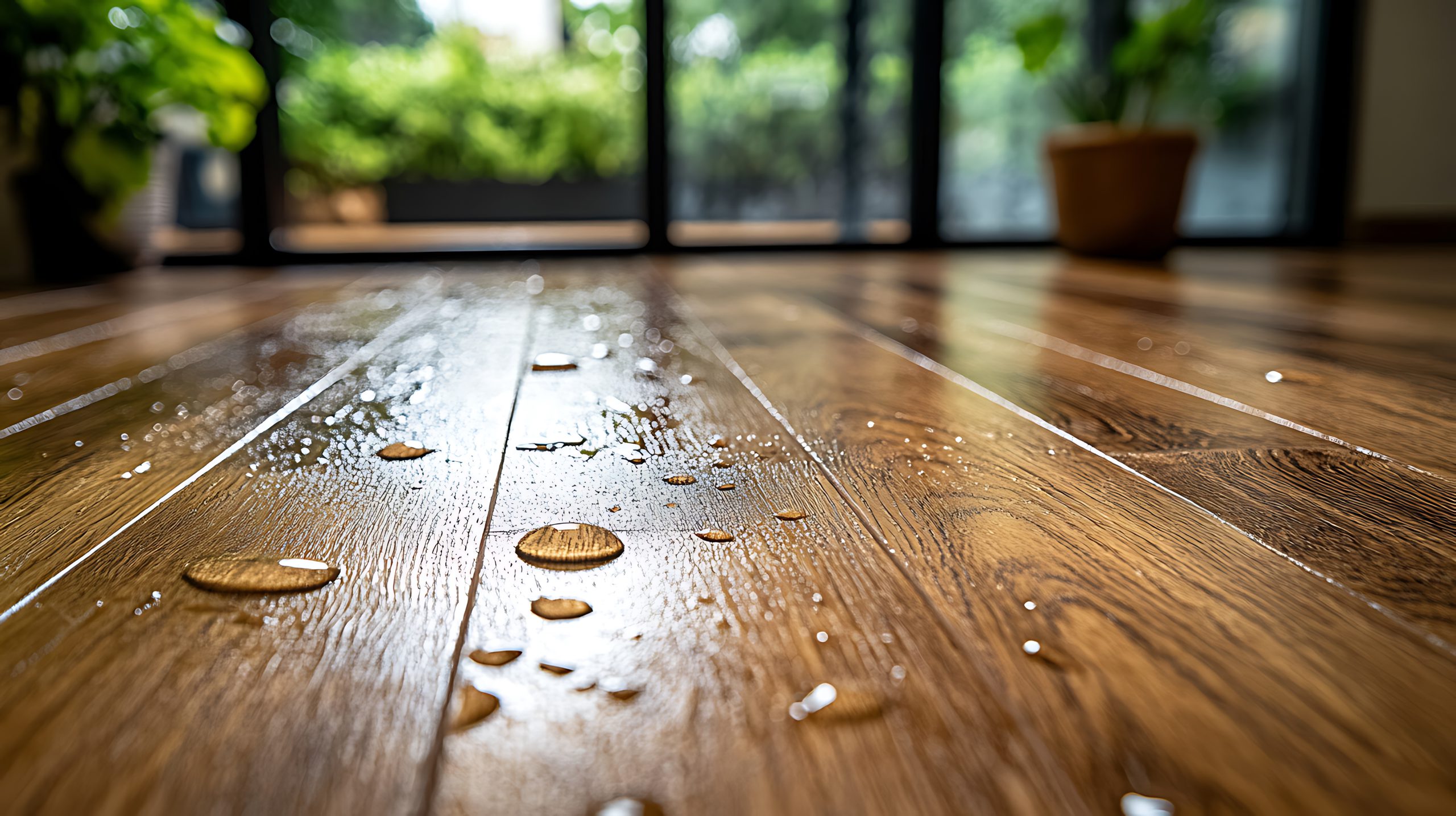
Is hardwood flooring waterproof? The short answer is no, traditional hardwood floors are not waterproof. Wood is a porous material, which means it can absorb water if exposed for an extended period. This can lead to damage such as swelling, warping, staining, or even mold growth. However, while hardwood is not waterproof, it is water-resistant to a certain degree and can withstand some moisture when properly maintained.
Why Isn’t Hardwood Flooring Waterproof?
The reason is hardwood flooring waterproof can’t be answered with a simple yes is because wood absorbs moisture. If hardwood flooring is left wet for too long, it can expand, buckle, and even develop rot. This vulnerability is especially noticeable in areas like bathrooms, basements, or kitchens where spills, humidity, or moisture are more common.
Is Hardwood Flooring Waterproof: Types of Hardwood
While traditional hardwood flooring is not waterproof, there are several variations that offer better water resistance. Let’s look at different types of hardwood and how they handle moisture:
Solid Hardwood Floors
Solid hardwood floors are made from a single piece of wood. This type of flooring is more susceptible to water damage because water can seep into the wood through the edges and surface. So, is hardwood flooring waterproof? No, solid hardwood is not waterproof, and exposure to water can cause serious damage.
What to Expect:
-
Solid hardwood is prone to warping, cracking, or staining when exposed to excessive moisture. Is hardwood flooring waterproof? Unfortunately, it’s not, and water exposure can cause long-term damage.
-
It is not recommended to install solid hardwood in high-humidity areas like bathrooms, basements, or kitchens where moisture exposure is more common.
Engineered Hardwood Floors
Engineered hardwood is made from layers of wood veneer with a thin top layer of hardwood. It is more stable than solid hardwood, but is hardwood flooring waterproof in this case? While engineered wood is more resistant to moisture, it is still not waterproof.
What to Expect:
-
Engineered hardwood is better equipped to handle humidity fluctuations compared to solid hardwood. But is hardwood flooring waterproof? Even engineered hardwood has its limits when exposed to water for extended periods.
-
However, extended exposure to water or moisture can still damage the layers of engineered wood, so it’s not suitable for areas that are consistently wet.
Water-Resistant Hardwood Flooring
Some manufacturers produce hardwood flooring that is specially treated to be more resistant to water. These floors may have a water-resistant coating, making them more durable in the face of spills and humidity. But, is hardwood flooring waterproof even with these treatments? No, they are water-resistant but still not waterproof.
What to Expect:
-
Water-resistant hardwood is better suited for kitchens or laundry rooms where occasional spills occur. But keep in mind that is hardwood flooring waterproof? These floors still require care to avoid long-term water damage.
-
Still, these floors are not 100% waterproof and should be wiped dry immediately if exposed to water. Even with a water-resistant coating, prolonged moisture exposure can damage the surface.
Is Hardwood Flooring Waterproof: Protecting Your Floors
While is hardwood flooring waterproof doesn’t apply to traditional wood, there are several measures you can take to protect your floors from water damage and increase their lifespan.
-
Seal Your Hardwood FloorsSealing your hardwood floors with a protective coating is one of the most effective ways to protect them from moisture. This barrier prevents water from soaking into the wood and causing damage. But is hardwood flooring waterproof? While sealing can help, it’s important to remember that even sealed hardwood is not entirely waterproof.
What to Expect:
-
Regular sealing will keep moisture from penetrating the wood surface.
-
Be sure to reapply the sealant every few years, depending on traffic and wear. But remember, is hardwood flooring waterproof? No, it still requires protection and maintenance.
-
Wipe Up Spills ImmediatelyOne of the easiest ways to maintain hardwood flooring is to clean up spills and moisture immediately. The longer the water sits on the surface, the higher the chance of damage. So, is hardwood flooring waterproof? No, standing water can still cause significant harm, even if the floors are sealed.
What to Expect:
-
For minor spills, use a dry or slightly damp cloth to wipe them up.
-
Avoid letting water stand for too long, especially in areas where moisture accumulates. Even though you’ve sealed your floors, is hardwood flooring waterproof? The answer is no—it’s important to act quickly.
-
Use Mats and Rugs in High-Moisture AreasTo reduce water exposure, place mats or rugs in high-moisture areas like entryways, kitchens, or near sinks. This is especially helpful if you’re wondering, is hardwood flooring waterproof in areas where water is more likely to spill.
What to Expect:
-
Rugs can help prevent moisture from reaching the floor.
-
Ensure rugs are washable and easy to dry, especially in high-traffic areas. But remember, no matter how much you protect it, is hardwood flooring waterproof? Unfortunately, it’s not, so take preventive measures.
-
Maintain Proper Humidity LevelsHigh humidity can lead to moisture damage and swelling. Keep the humidity level in your home between 30-50% to help your hardwood flooring stay in optimal condition. If you’re still asking, is hardwood flooring waterproof, controlling humidity can help protect your floors, but it’s not a cure-all.
What to Expect:
-
Use dehumidifiers in areas prone to excess moisture, like basements or bathrooms.
-
In dry winter months, use a humidifier to prevent your hardwood floors from drying out and cracking. Even though is hardwood flooring waterproof isn’t an option, proper humidity control will help maintain your floors.
Is Hardwood Flooring Waterproof: Alternative Options
If you’re concerned about moisture exposure but still want a beautiful, natural look, there are alternatives to traditional hardwood flooring that offer better water resistance.
1. Vinyl Flooring
Vinyl flooring is a popular choice for moisture-prone areas, such as bathrooms and kitchens. It’s completely waterproof and comes in a variety of wood-look styles, providing the appearance of hardwood without the risk of water damage.
2. Laminate Flooring
Laminate flooring is another waterproof alternative that mimics hardwood. It’s more resistant to moisture than traditional hardwood and is often a more affordable option.
3. Tile Flooring
Tile is one of the most water-resistant flooring options available. If you’re looking for a completely waterproof solution, tile is the best option for areas that get wet regularly, like bathrooms and kitchens.
Conclusion: Is Hardwood Flooring Waterproof?
In conclusion, is hardwood flooring waterproof? The answer is no, traditional hardwood floors are not waterproof. While they can withstand some moisture, prolonged exposure to water can cause significant damage, including warping, swelling, and staining. However, there are ways to protect your hardwood floors, such as sealing them, cleaning up spills quickly, and using mats in high-moisture areas.
If you’re concerned about water damage and want a more water-resistant option, consider alternatives like engineered hardwood, water-resistant hardwood, or even vinyl and tile flooring. Understanding is hardwood flooring waterproof will help you maintain your floors and make informed decisions on how to protect them in moisture-prone areas.